Society for Environment & Development Alliance is a social-development and environmental organisation working towards a more inclusive, equitable, sustainable, empowered and resilient India.
Think · Connect · Act · Transform
Development is meaningful only when it reaches the last person, strengthens the most vulnerable community, protects the environment and creates opportunities for people to shape their own future.
Society for Environment & Development Alliance (SEDA) is a social-development and environmental organisation working towards a more inclusive, equitable, sustainable, empowered and resilient India. Established in 2009, SEDA has pursued a broad-based development philosophy that connects people, communities, institutions, knowledge, environment, education, livelihoods and responsible partnerships.
SEDA seeks to serve not merely as an implementing organisation, but as a facilitator, catalyst, knowledge partner, community institution and bridge between need and opportunity.
Identify need → understand the root cause → build partnerships → design solutions → implement responsibly → measure outcomes → learn → scale impact.
SEDA's development philosophy is designed to operate at multiple levels, while maintaining common institutional standards for planning, implementation, monitoring, documentation, transparency and impact measurement.
SEDA's philosophy is expressed through four interconnected principles.
Service to humanity with compassion, dignity and responsibility.
Equal opportunity, social inclusion and respect for every individual.
Development that protects natural resources and safeguards future generations.
Understanding people not merely as beneficiaries, but as individuals with aspirations, abilities and dignity.
SEDA envisions communities where every child can learn, every young person can aspire to productive work, women have economic independence, vulnerable people can access dignity and assistance, and development becomes increasingly participatory, resilient and sustainable.
To catalyse inclusive and sustainable development by connecting communities, knowledge, institutions, resources and responsible partnerships to create measurable improvements in human wellbeing, livelihoods, education, environment and social resilience.
Human development · dignity · inclusion · health · education
Skills · employment · entrepreneurship · livelihoods · MSMEs
Environment · biodiversity · water · climate · sustainable agriculture
Community institutions · Panchayats · volunteers · youth · citizens
CSR · government · corporates · foundations · academia · civil society
Innovation · technology · research · measurement · scaling
Better lives · stronger communities · resilient ecosystems · sustainable futures
Transforming government schools through infrastructure, learning resources, technology, environment and community participation.
A holistic school-transformation model addressing infrastructure, sanitation, drinking water, learning environment, digital education and student wellbeing.
Supporting Anganwadi centres through child-friendly infrastructure, early childhood education, WASH, learning tools and capacity enhancement.
Skill-to-enterprise pathways for women, unemployed youth, widows and disadvantaged communities.
Moving young people from training → skills → certification → enterprise/employment → sustainable livelihood.
Bridging the digital divide through computers, digital literacy and technology-enabled learning.
Promoting water conservation, environmental awareness, ecological responsibility and sustainable community practices.
Rapid, transparent and dignity-centred support for vulnerable individuals and families.
Education, digital access, skills and vocational, rehabilitation-oriented interventions.
Long-term corporate-community partnerships designed around measurable development outcomes.
Every person deserves dignity.
No community should remain invisible.
Development must create pathways, not dependency.
Today's development must protect tomorrow.
Communities should be partners, not passive recipients.
Complex problems require collaborative solutions.
Better problems demand better ideas.
Impact should be demonstrated, not merely claimed.
Resources entrusted to development must be responsibly used.
Sustainable change requires long-term engagement.
SEDA's Governing Board is privileged to have eminent public servants and institutional leaders as Patrons.
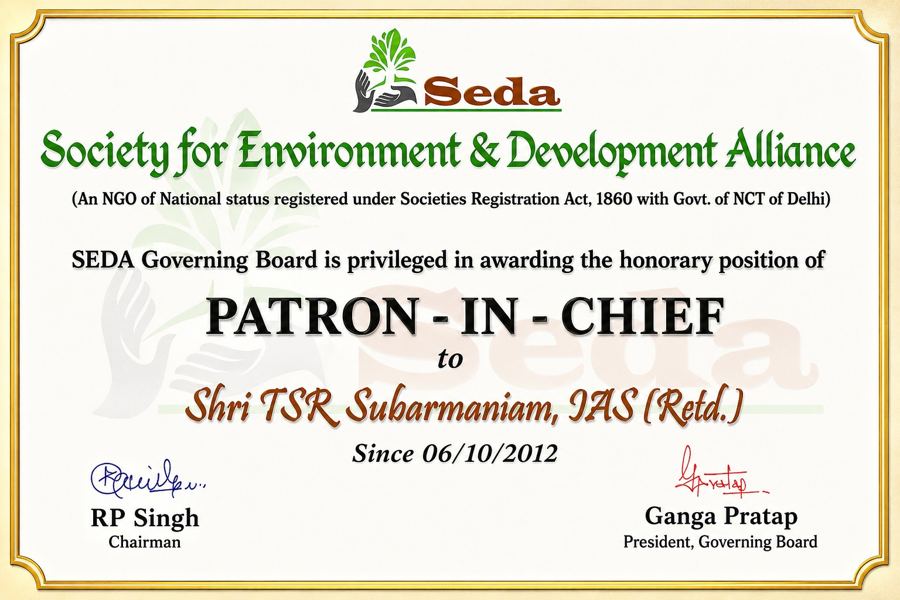 Shri TSR Subramaniam, IAS (Retd.)Patron-in-Chief · Since 06/10/2012
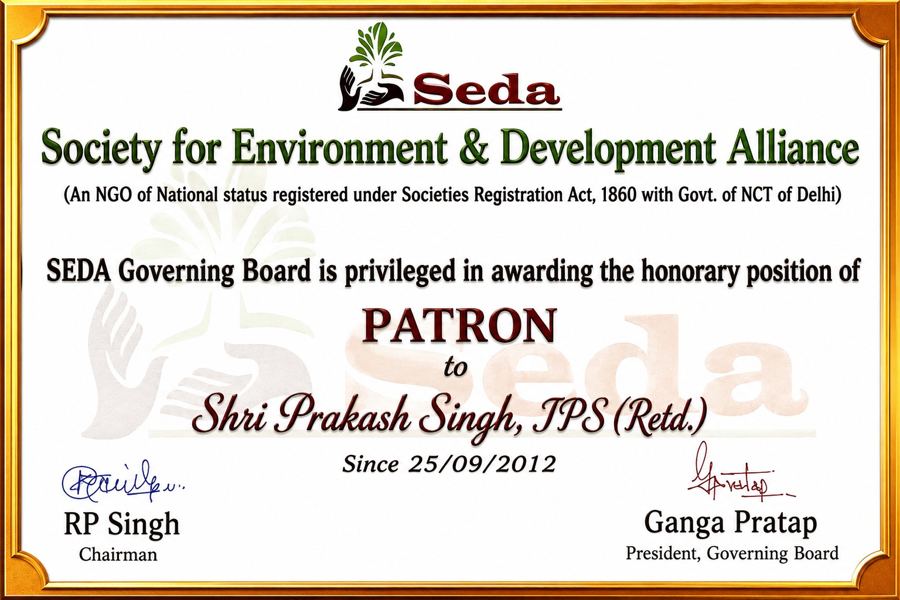 Shri Prakash Singh, IPS (Retd.)Patron · Since 25/09/2012
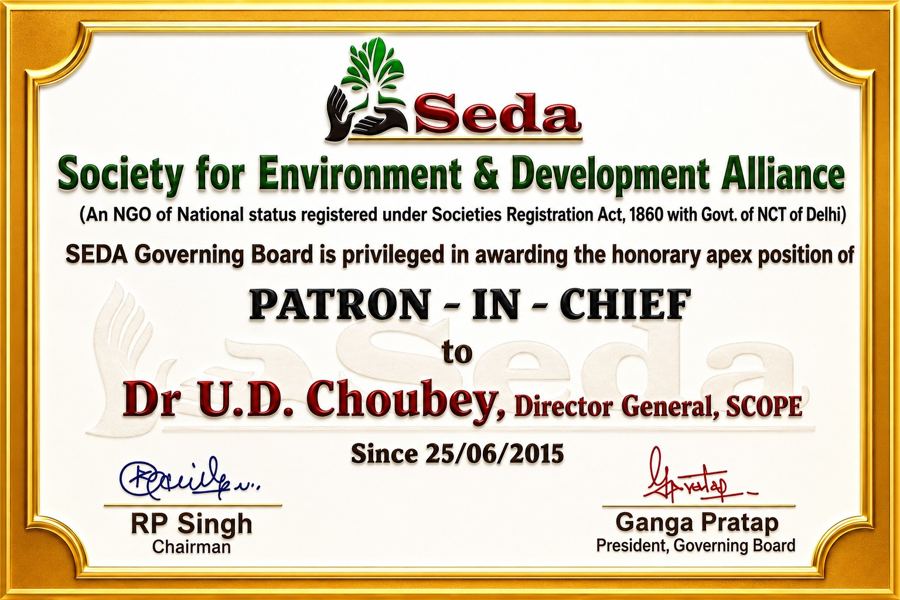 Dr U.D. ChoubeyPatron-in-Chief, Director General SCOPE · Since 25/06/2015
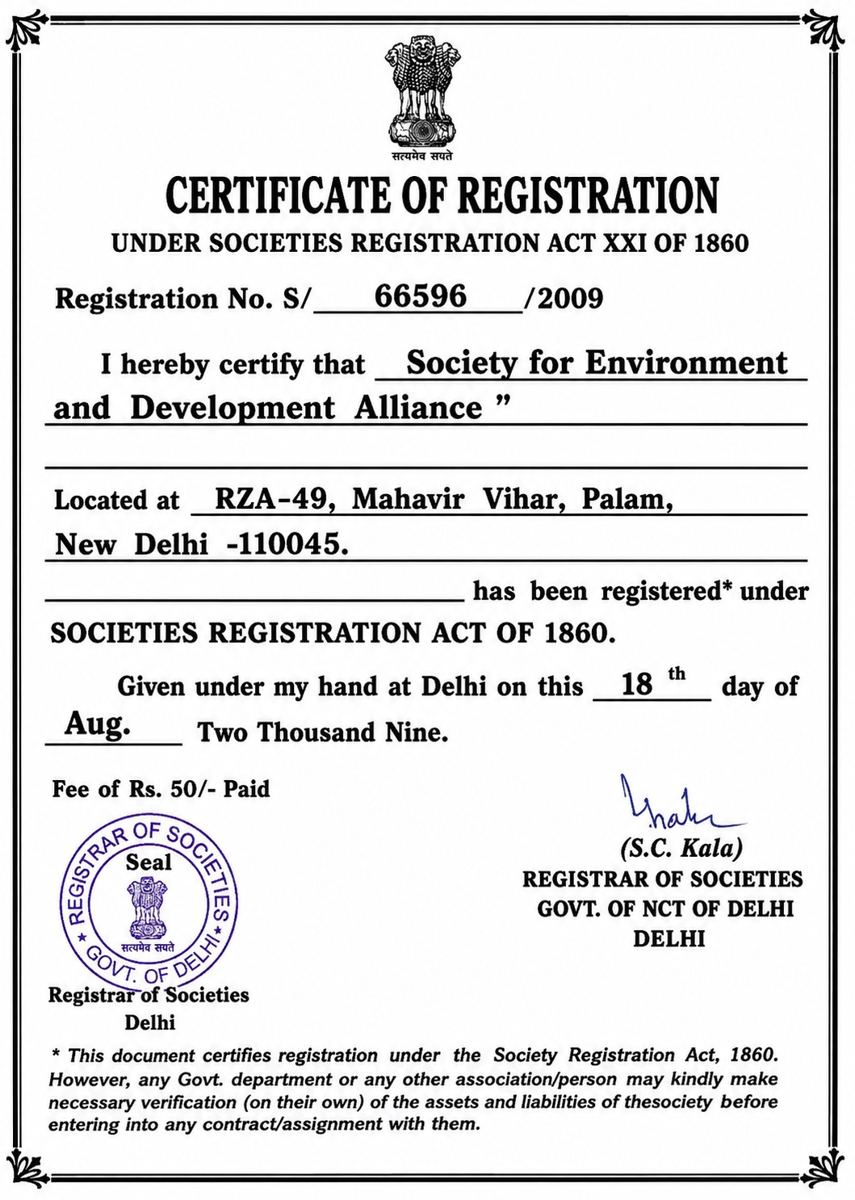
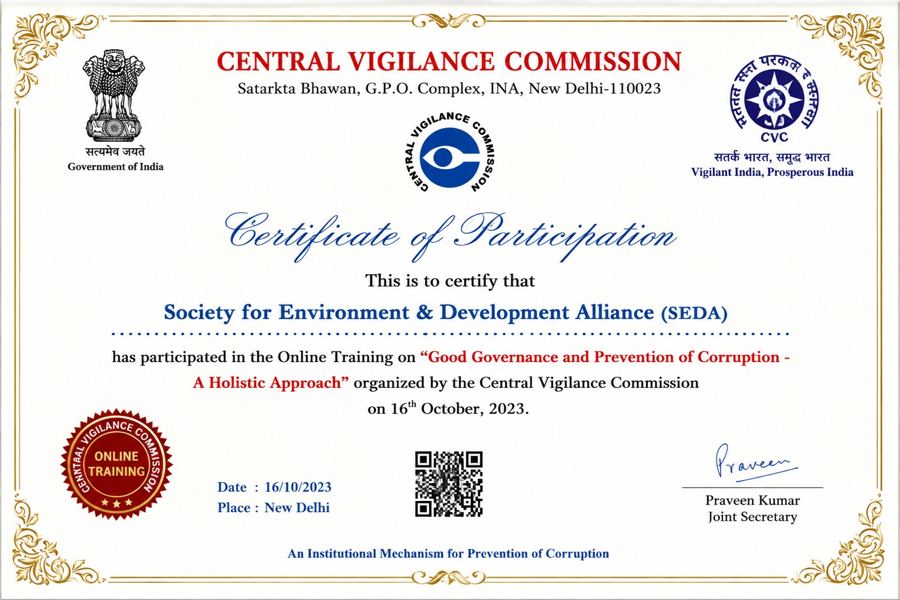
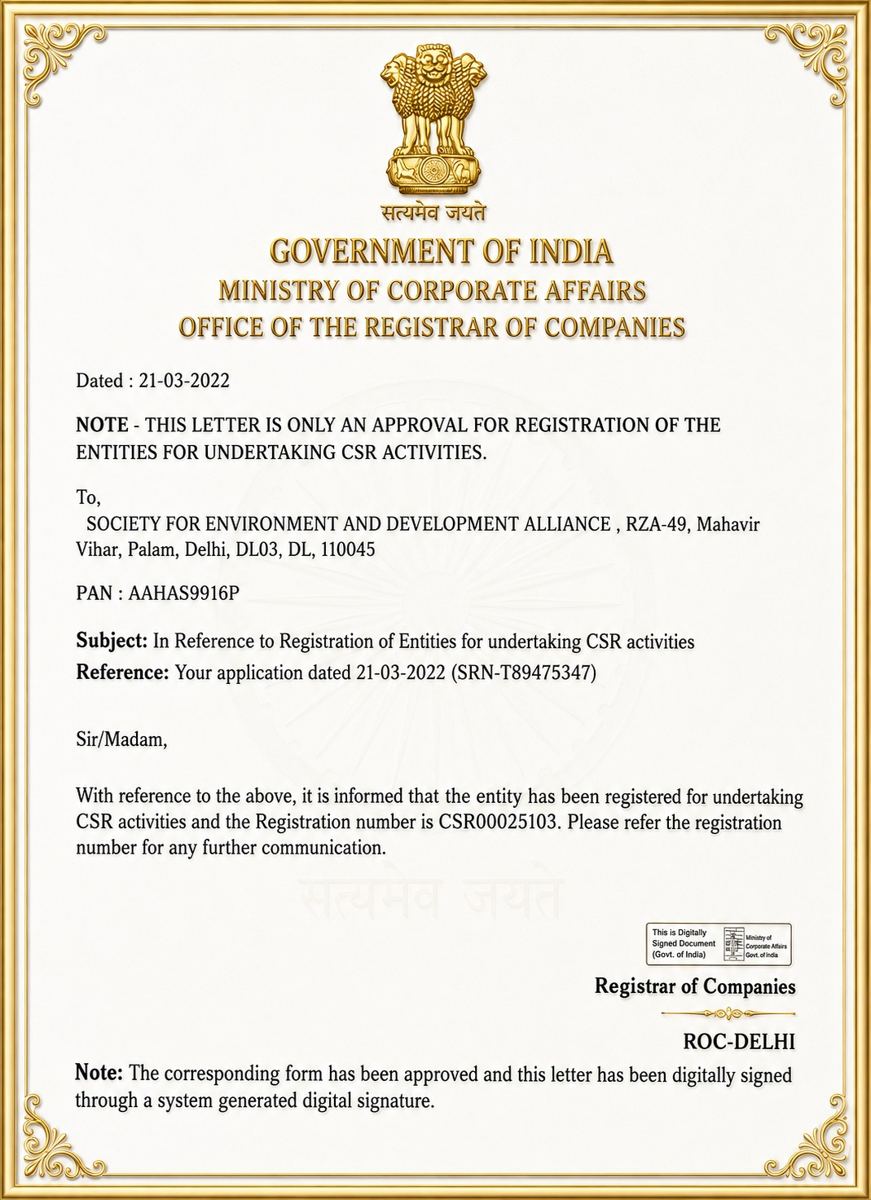
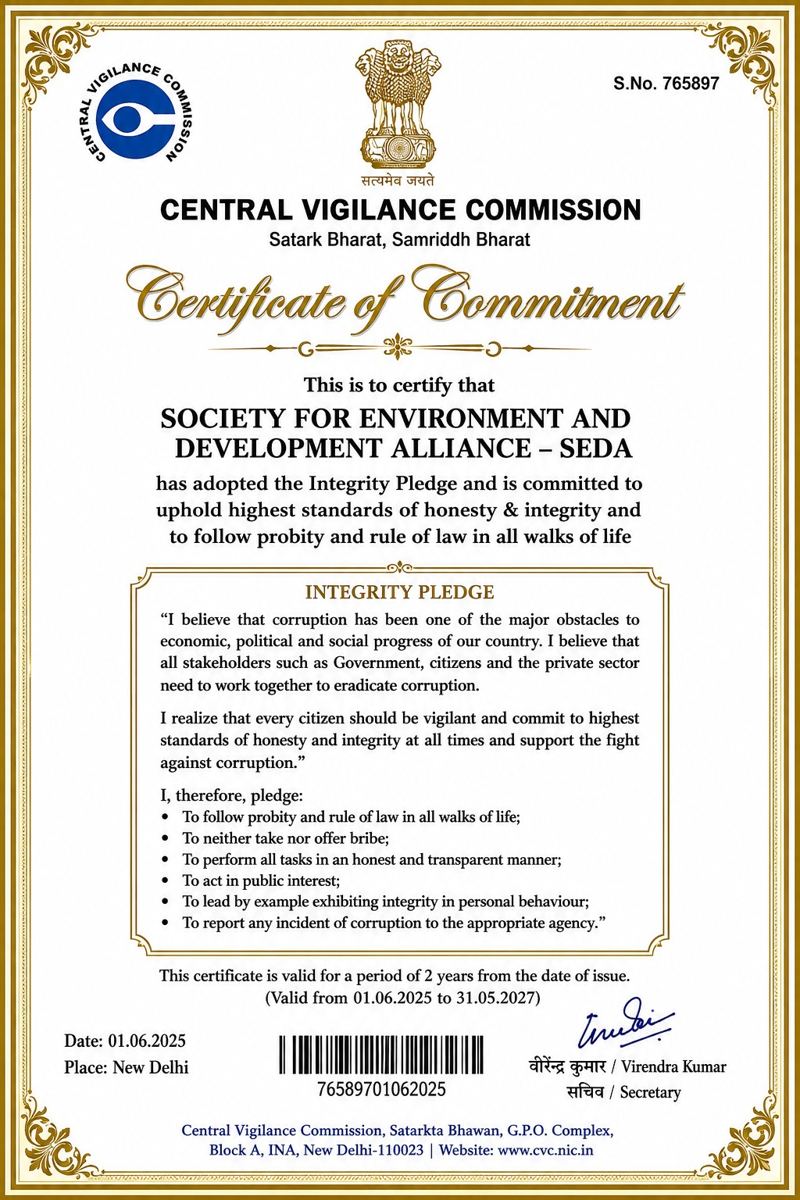
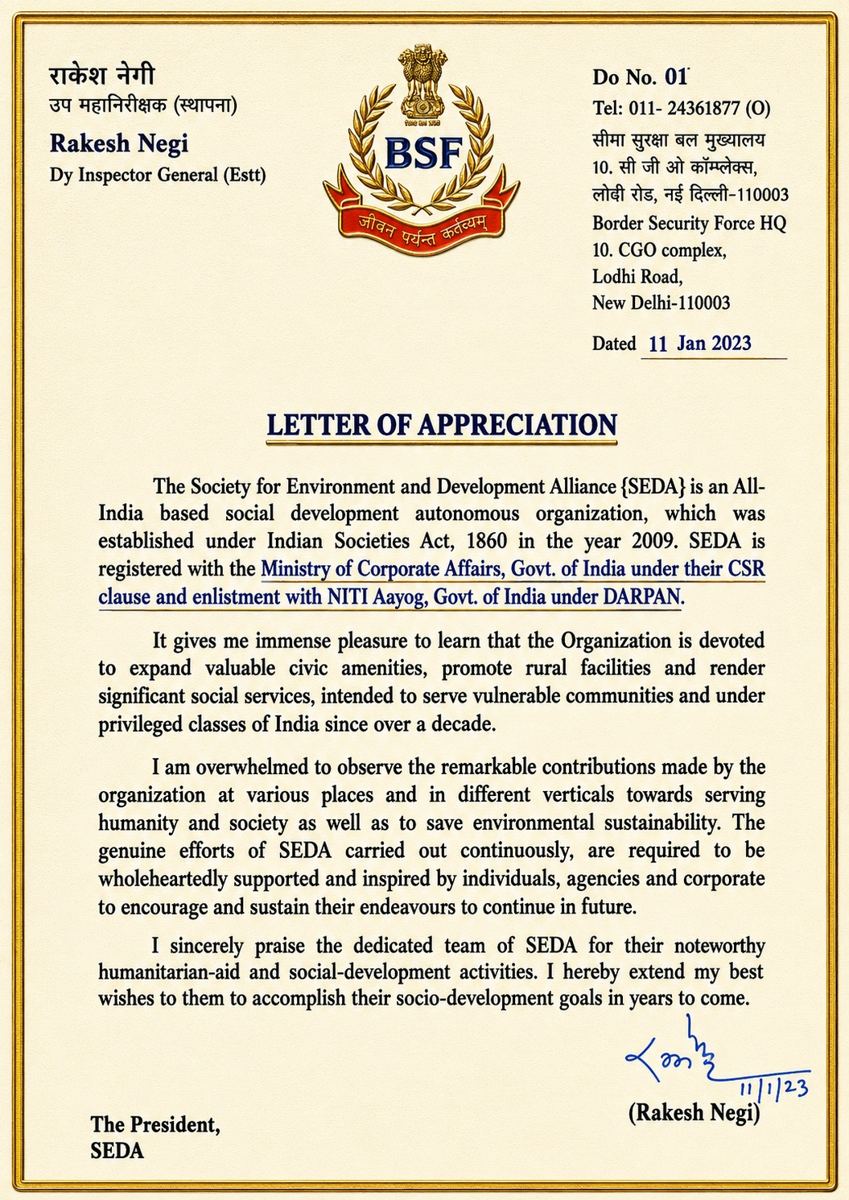
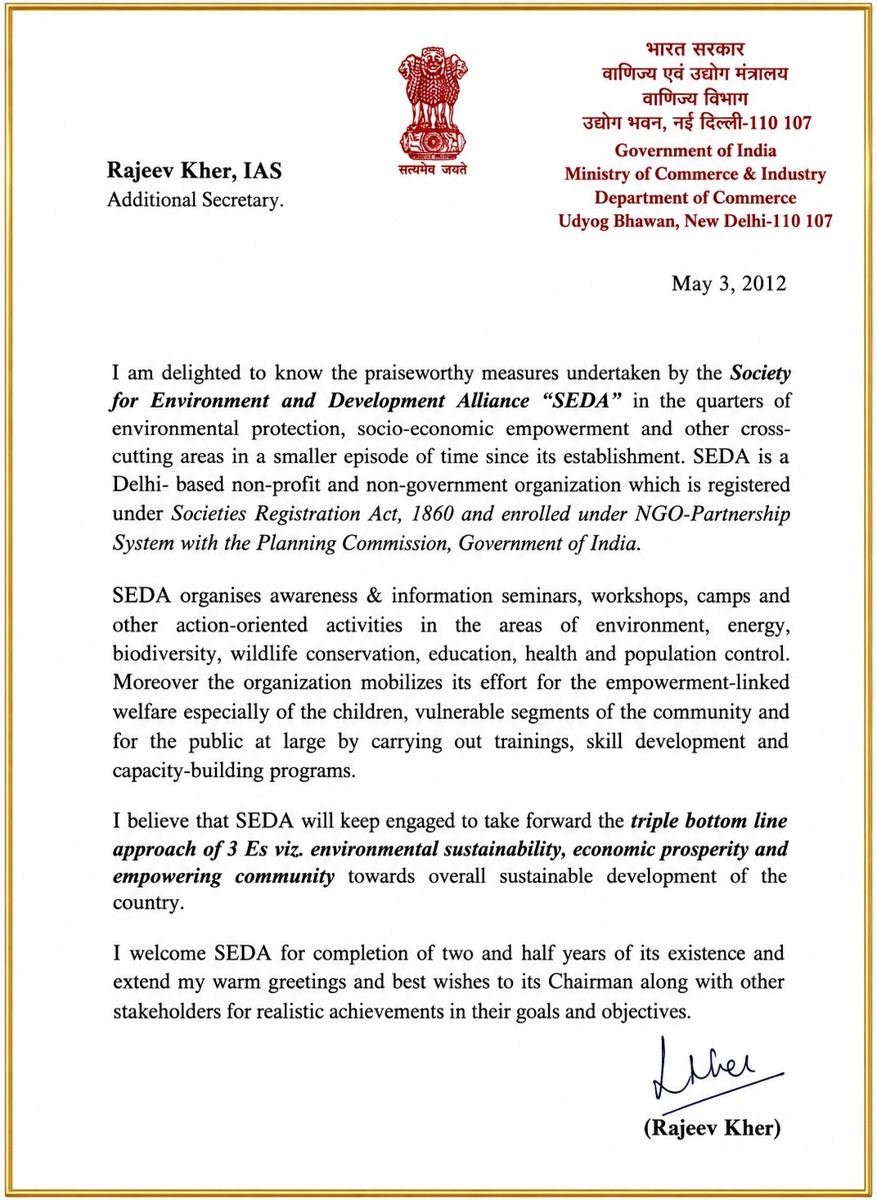
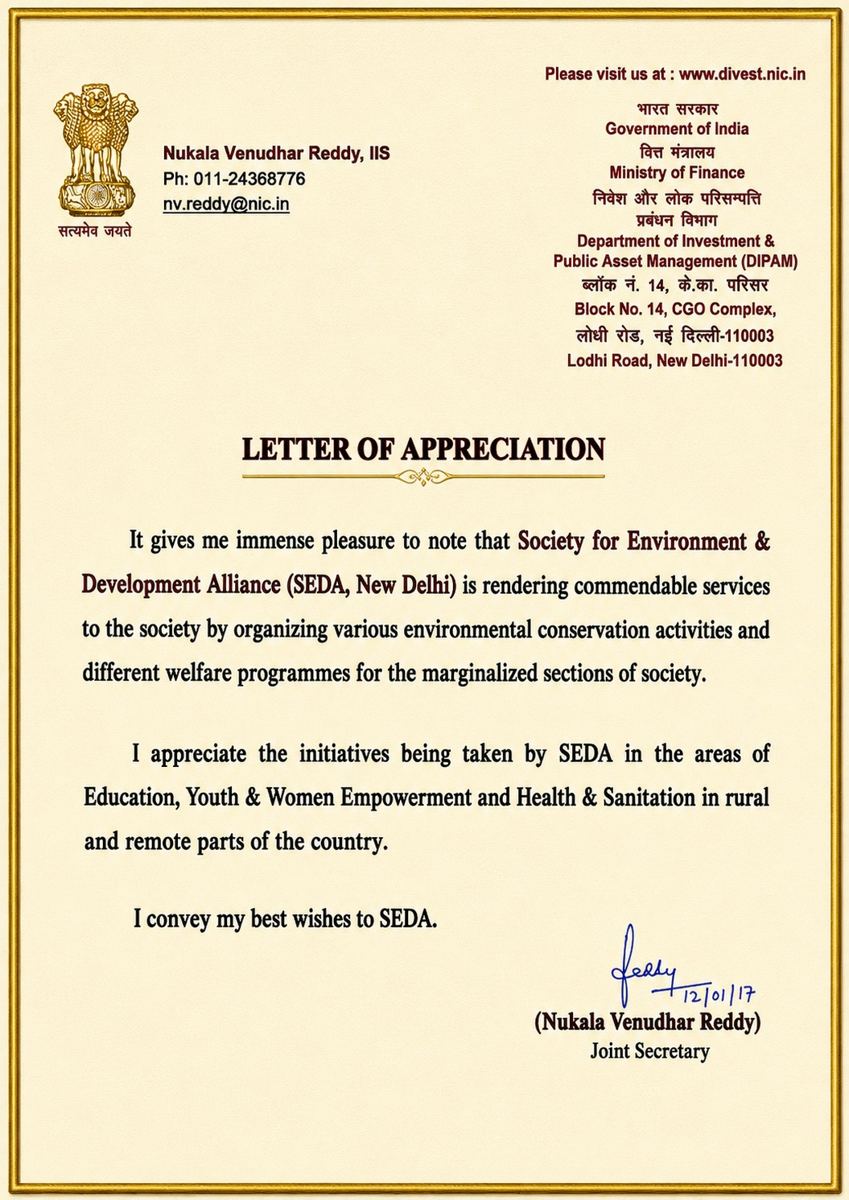
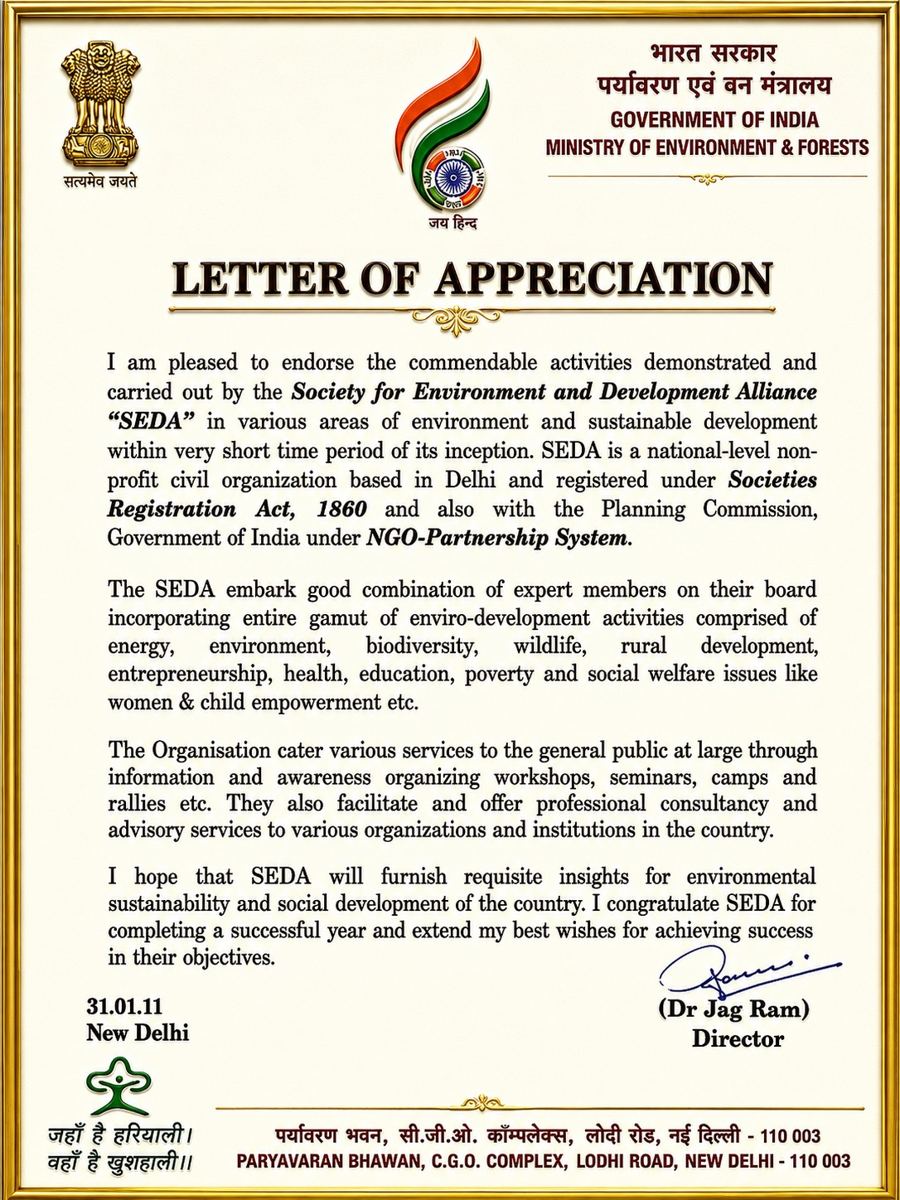
A selection of SEDA's registrations and letters of appreciation received from institutions over the years.
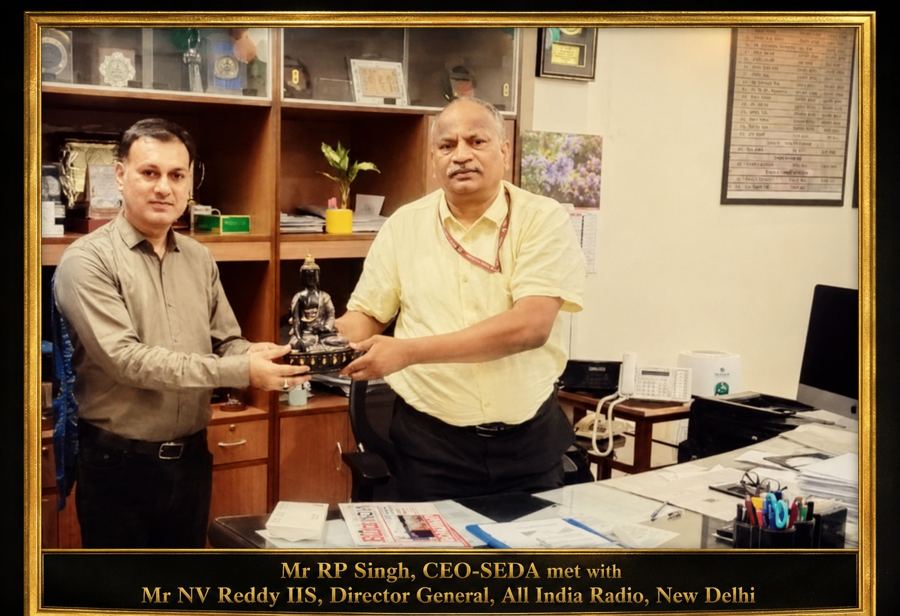
Mr RP Singh, CEO & Principal Editor, with Mr N.V. Reddy, Director General, All India Radio.
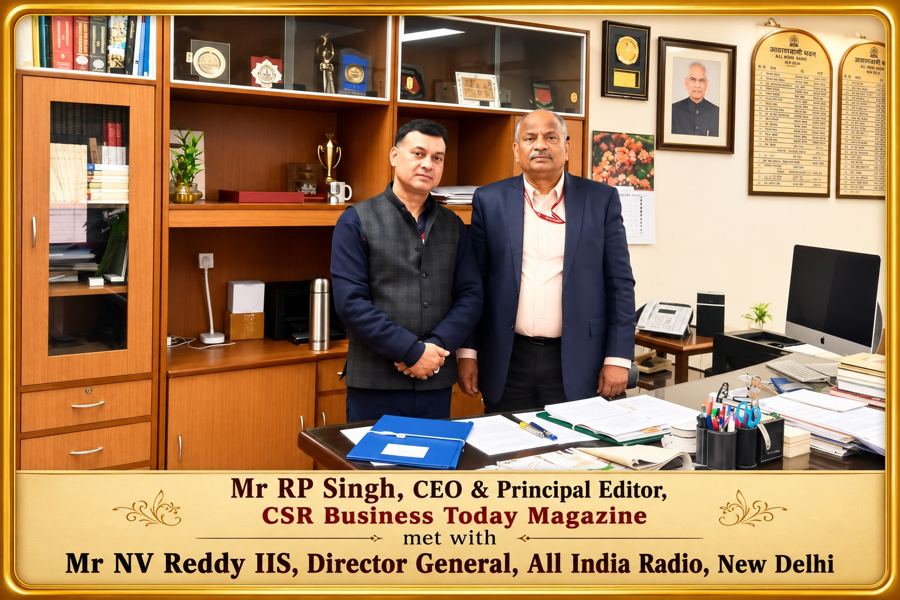
Mr RP Singh, CEO & Principal Editor, CSR Business Today Magazine, with Mr R.V. Reddy, IIS, Director General, All India Radio.
Whether you are an individual, a corporate CSR team, a government body or a fellow institution — there is a way for you to stand with SEDA's mission for an empowered, inclusive and sustainable India.
Get In Touch